In today's rapidly evolving healthcare landscape, understanding "what is a molecular diagnostic analysis system" is crucial. These systems leverage advanced technology to detect diseases at a molecular level, offering precise insights into patient conditions. According to a report by MarketsandMarkets, the global molecular diagnostics market is projected to reach $11.2 billion by 2026, reflecting a growing reliance on these systems for accurate diagnoses.
The benefits of such systems are multifaceted. They enhance disease detection, enabling earlier interventions that can significantly improve patient outcomes. For instance, molecular diagnostics can identify specific genetic markers associated with certain cancers, allowing for tailored treatment plans. However, while the promise is substantial, challenges remain. Data integration and the need for specialized training are often cited as barriers to implementation.
The ability to transform patient care cannot be understated. A molecular diagnostic analysis system plays a vital role in personalized medicine, bridging the gap between laboratory science and clinical practice. Yet, as innovations emerge, continuous reflection on efficacy and accessibility is necessary to realize their full potential in routine healthcare settings.
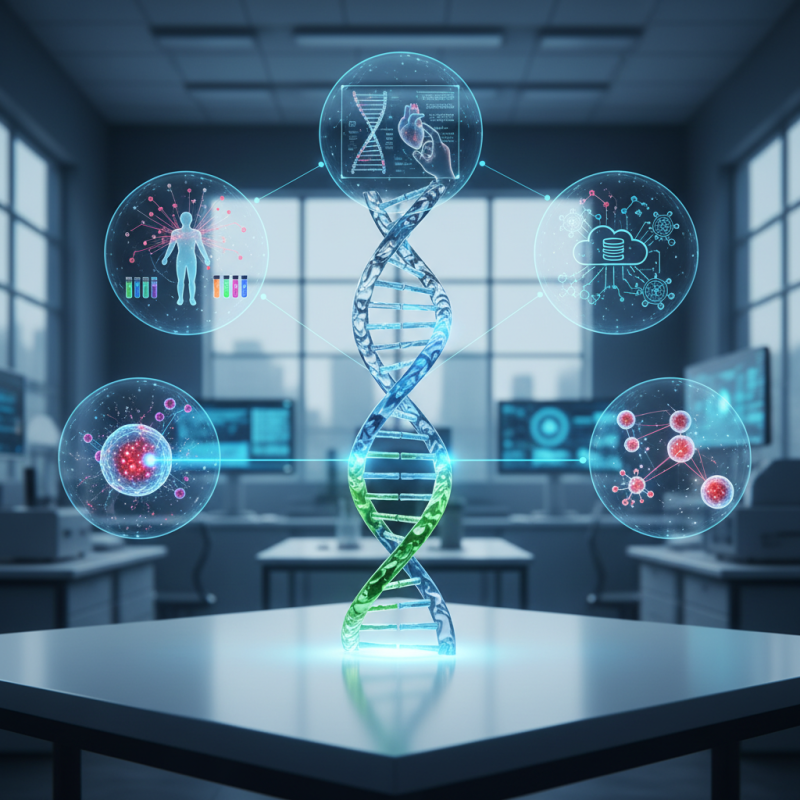
Molecular diagnostic analysis systems offer significant advancements in disease detection.
Enhanced accuracy is one of the key benefits. According to the
Journal of Molecular Diagnostics, these systems can increase detection rates by up to
40%. This improvement is crucial for early intervention, particularly in
cancer and infectious diseases.
A more precise detection process means fewer false positives and
negatives. Inaccurate results can lead to unnecessary
treatments or missed opportunities for effective care. The American Society for Clinical Pathology noted that errors in traditional methods are prevalent. Inaccuracies can occur in about
10-20% of cases. Molecular diagnostics mitigate this risk and enhance patient outcomes.
High specificity and sensitivity levels help clinicians make informed decisions. For example, certain molecular tests have demonstrated over
95% accuracy in identifying specific pathogens. This level of reliability allows
doctors to tailor treatments effectively. However, the rising complexity of these technologies raises questions about accessibility and cost.
Many healthcare systems face challenges in integrating advanced diagnostics while ensuring equitable patient care. Balancing innovation and
affordability remains an ongoing discussion in the field.
Personalized treatment has emerged as a pivotal focus in modern healthcare. The integration of a molecular diagnostic analysis system enables healthcare providers to tailor treatments uniquely to each patient. This shift is backed by robust data; for instance, studies show that personalized therapies can improve patient outcomes by as much as 30%. With such compelling statistics, it’s clear that individualized approaches lead to better management of diseases.
This system analyzes genetic markers and biomarkers to identify specific disease pathways. For example, a report from a leading medical journal indicates that targeted therapies can significantly reduce treatment costs over time. Despite the clear benefits, there are still challenges. Not all healthcare facilities have access to advanced molecular diagnostic tools, leading to disparities in patient care. Further, the interpretation of molecular data requires specialized knowledge, which may not always be available.
Healthcare professionals must remain adaptable. Continuous education on new technologies is crucial. The landscape of molecular diagnostics is rapidly changing. Embracing these tools can optimize patient care but may initially generate uncertainty in implementation. Balancing innovation with established practices is vital for effective patient management.
A molecular diagnostic analysis system can significantly enhance laboratory workflows. With integrated automation, sample handling becomes more efficient. This technology reduces the time spent on manual processes, allowing staff to focus on critical tasks. It streamlines data management, ensuring that results are quickly accessible.
The system also minimizes human errors that occur during sample testing. For example, automated pipetting systems achieve a high level of precision that manual efforts often lack. Quick access to results facilitates timely decisions in patient care and research. Additionally, this efficiency allows laboratories to manage a higher volume of tests without compromising quality.
However, as with any technology, there are challenges. Staff must be trained to operate sophisticated systems effectively. Transitioning from traditional methods may cause initial disruptions. Laboratories might face resistance to change, as adapting to new workflows can be daunting. Embracing these systems requires ongoing evaluation and reflection on existing protocols to improve efficacy continually.
Molecular diagnostic analysis systems play a crucial role in the early detection of diseases. They allow healthcare professionals to identify potential health issues at an early stage. This capability often leads to timely interventions. Such early interventions are vital for better patient outcomes.
Advanced technologies analyze genetic material, which helps in spotting diseases long before symptoms arise. It is not just about detecting illness; it’s about understanding individual health risks. This personalized approach can lead to tailored treatment plans. However, there are challenges. The accuracy of these tests can vary, sometimes leading to misinterpretations. Mistakes in the analysis may result in unnecessary anxiety or inadequate treatments.
As molecular diagnostics continue to evolve, professionals must stay updated. An understanding of the latest advancements is essential for reliability. Healthcare providers must also engage with patients about potential risks and benefits. Engagement builds trust and improves adherence to treatment plans. This interactive process enhances the overall effectiveness of early detection strategies.
| Benefit | Description | Impact on Patient Care |
|---|---|---|
| Early Detection | Allows for the identification of diseases at an early stage, improving treatment outcomes. | Increases the likelihood of successful intervention and recovery. |
| Precision Medicine | Supports tailored therapies based on individual genetic profiles. | Enhances the efficacy of treatments and minimizes side effects. |
| Cost-Effectiveness | Reduces unnecessary procedures and hospitalizations through accurate diagnosis. | Optimizes healthcare resources and financial expenditures. |
| Enhanced Monitoring | Facilitates continual assessment of disease progression and treatment efficacy. | Improves ongoing patient management and allows for timely adjustments. |
| Automated Workflow | Streamlines testing processes, reducing human error and turnaround times. | Enhances efficiency in laboratory operations and faster patient results. |
Molecular diagnostic analysis systems are transforming healthcare by enhancing cost-effectiveness and resource optimization. These systems enable precise diagnosis at lower costs, benefiting both patients and healthcare providers. By detecting diseases early, they reduce the need for expensive treatments later. This leads to substantial savings in healthcare expenses.
Implementing such systems can optimize the use of medical resources. Labs can process samples more efficiently, streamlining workflows. Fewer unnecessary tests mean less waste and better utilization of staff. Healthcare providers can focus on essential services, enhancing overall patient care.
Tip: Regularly assess the performance of your molecular diagnostic systems. Are they meeting your cost-efficiency goals? Improvement opportunities may exist where you least expect them. Embrace technology, but remain mindful of its limitations. Not all solutions fit every situation. Consider your unique healthcare environment.
: Enhanced accuracy in disease detection is a key benefit, increasing detection rates significantly.
It leads to fewer false positives and negatives, which reduces unnecessary treatments and improves care opportunities.
Inaccuracies occur in about 10-20% of traditional cases, impacting patient outcomes.
They provide high specificity and sensitivity, with some tests showing over 95% accuracy in identifying pathogens.
Integrating these technologies while maintaining affordability and accessibility for all patients is a significant challenge.
It allows for timely interventions, which are vital for better patient outcomes and tailored treatment plans.
Variability in test accuracy and potential misinterpretations can result in unnecessary anxiety or inadequate treatments.
Engaging with patients about risks and benefits helps build trust and improves treatment adherence.
They need to stay updated on advancements to ensure reliable and effective patient care.
The complexity of these systems can raise concerns regarding their accessibility and cost to patients.
A molecular diagnostic analysis system is a cutting-edge technology that enhances the accuracy of disease detection, providing healthcare professionals with reliable tools to identify and diagnose conditions at a molecular level. This precision leads to improved patient management through personalized treatments, ensuring that patients receive therapies tailored to their specific genetic profiles and needs.
Moreover, these systems streamline laboratory workflows, significantly increasing efficiency and allowing for quicker turnaround times on test results. By facilitating early detection and intervention strategies, healthcare providers can address diseases before they progress, ultimately leading to better outcomes. Additionally, the cost-effectiveness and resource optimization that molecular diagnostic analysis systems offer contribute to a more sustainable healthcare framework, proving their vital role in modern medicine.

BioX Medical